
Quick Answer
Pressure washing uses high pressure water to clean hard, flat surfaces like driveways, sidewalks and patios. Soft washing uses a cleaning solution that breaks down algae, mildew and grime, then rinses with gentle, controlled pressure, which makes it the right choice for siding and other surfaces high pressure can damage. Most homes need both: a soft wash for the house and pressure washing for the concrete.
What Is Pressure Washing?
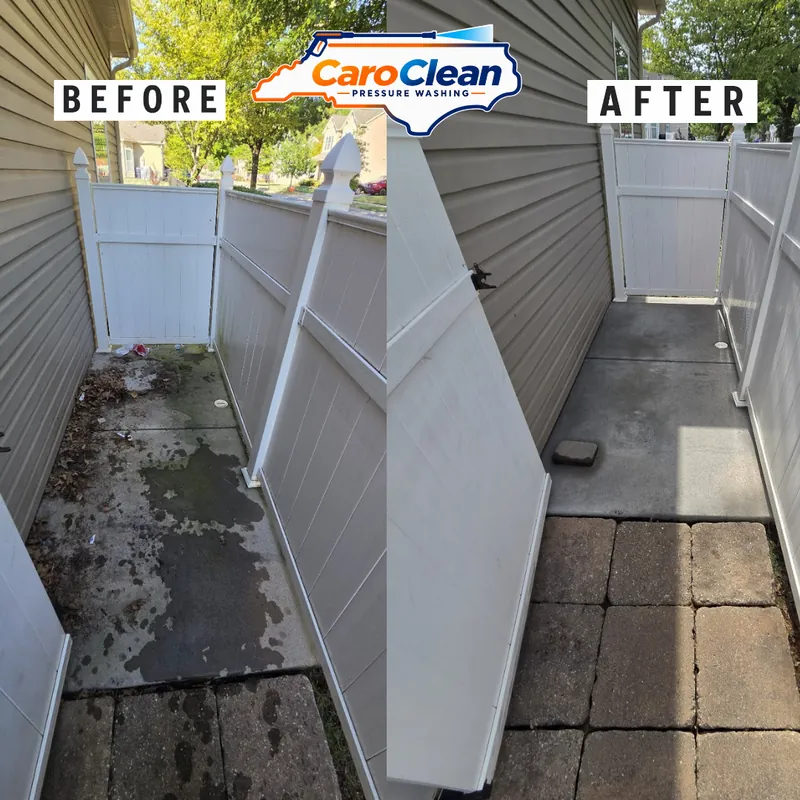
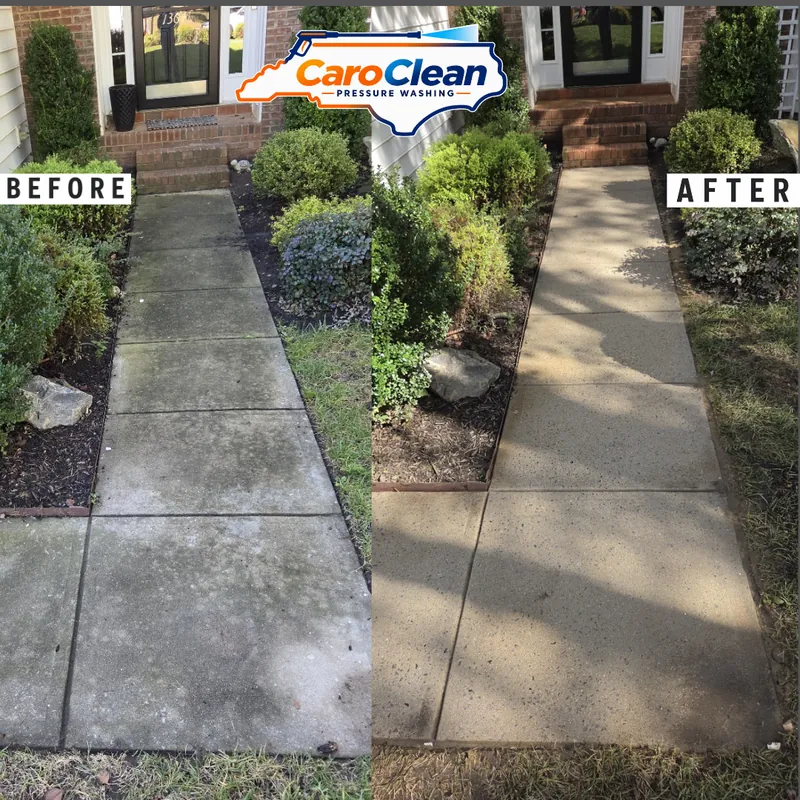
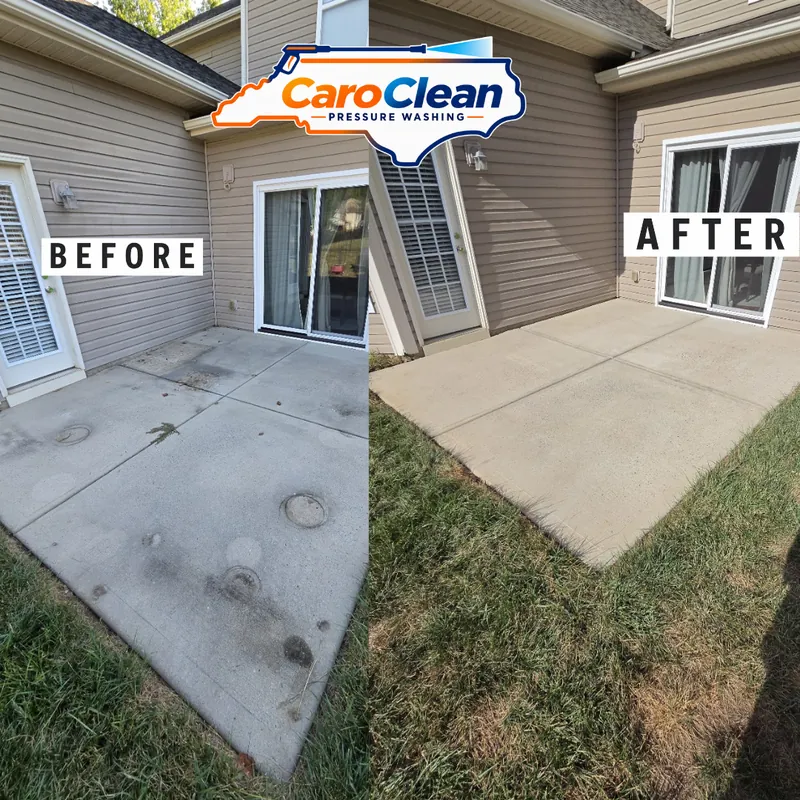
Pressure washing uses a strong stream of water to blast dirt, grime and growth off hard surfaces. It's made for concrete: driveways, sidewalks, walkways, patios and pool decks. On flat concrete, a surface cleaner keeps the pressure steady and even, so the whole surface comes out with one even finish instead of stripes.
It's also what most people picture when they think of exterior cleaning, which is why so many homeowners point a pressure washer at their siding without realizing it's the wrong tool for the job.
What Is Soft Washing?
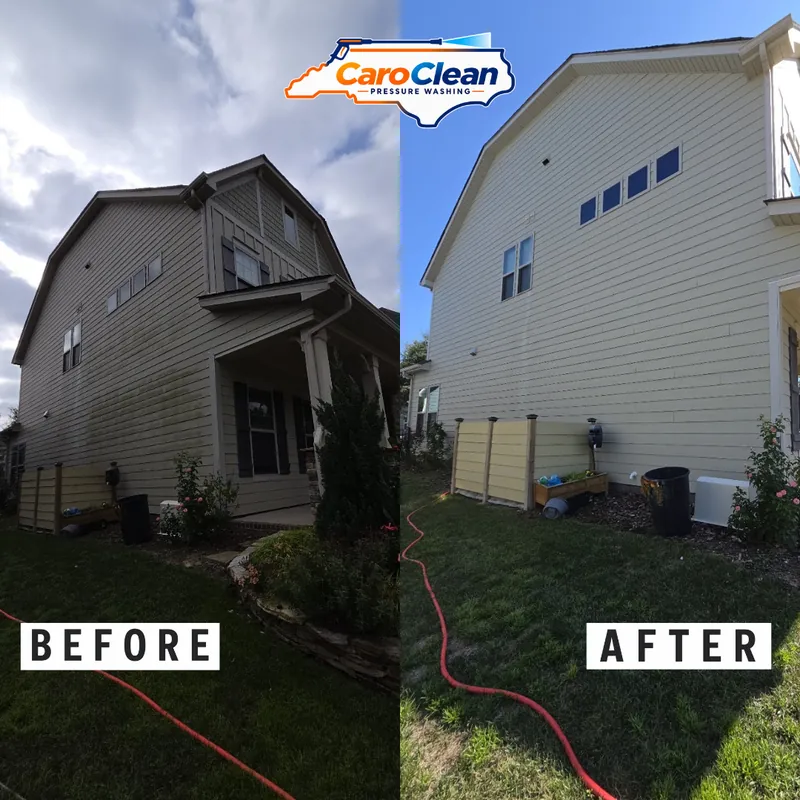
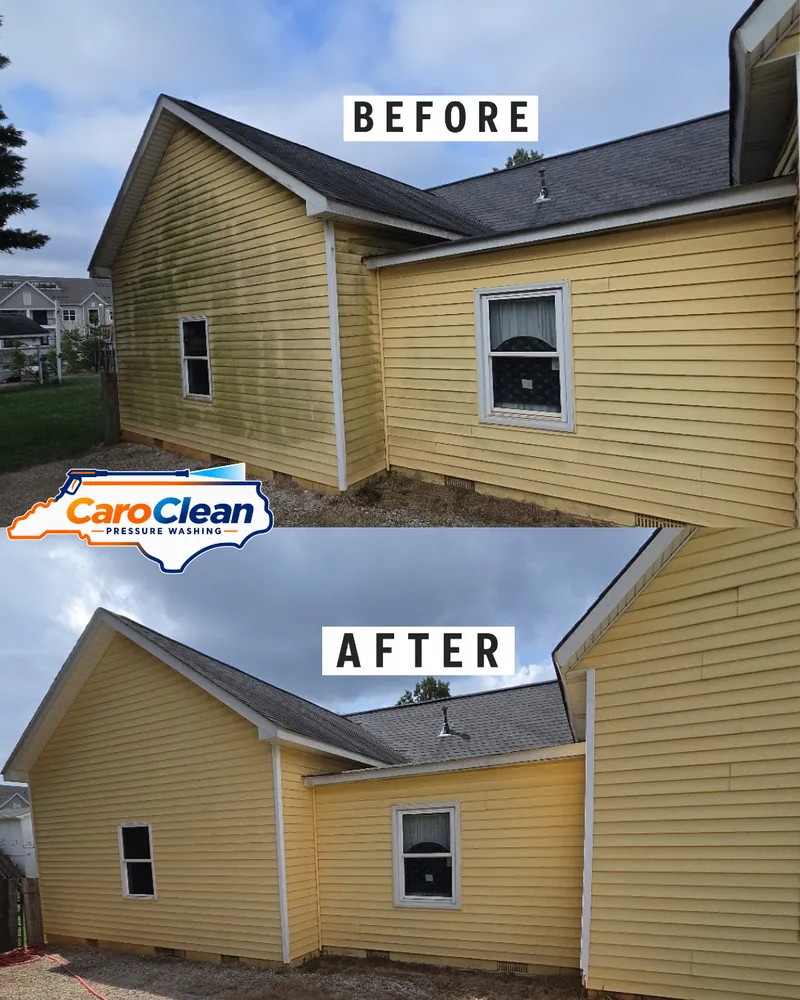
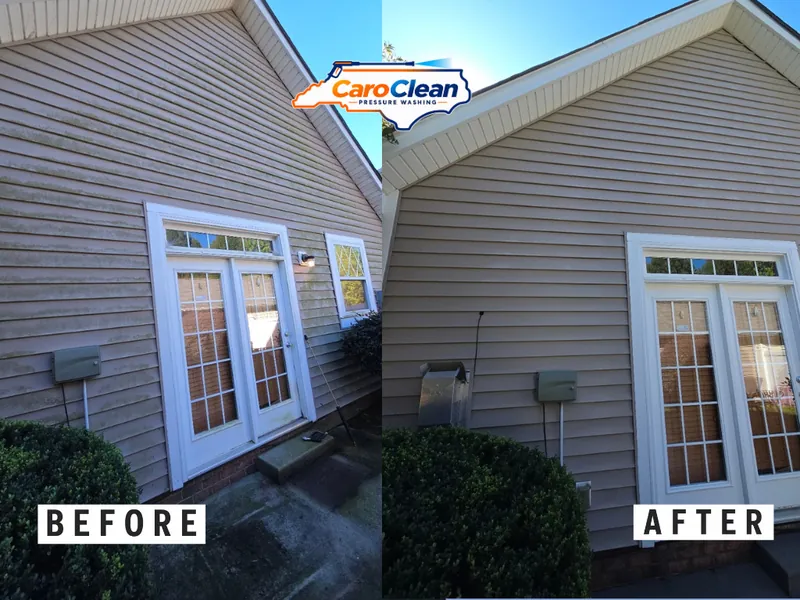
Soft washing lets a cleaning solution do the work. The solution goes on, sits long enough to break down algae, mildew and grime, then the surface is rinsed with gentle, controlled pressure. Because the growth is actually broken down instead of just knocked loose, it stays clean longer.
It's the right way to clean vinyl, Hardie board, brick, stucco, stone, cedar and painted trim, where high pressure can crack panels, strip paint or push water behind the siding.
Is Power Washing the Same as Pressure Washing?
Most people use power washing and pressure washing to mean the same thing: cleaning with high pressure water. Whichever term you hear, the question that matters is the same. Is high pressure the right tool for that surface? For concrete, yes. For siding, no.
What Is Low Pressure Washing?
Low pressure washing is another name some people use for soft washing. The idea is the same: let a cleaning solution do the work and keep the pressure gentle enough that it can't damage the surface.
Soft Washing and Pressure Washing Side by Side
| Pressure Washing | Soft Washing | |
|---|---|---|
| What does the work | High pressure water | A cleaning solution |
| Pressure used | High | Gentle and controlled |
| Best for | Driveways, sidewalks, patios, pool decks | Siding, brick, stucco, stone, trim |
| Algae and mildew | Removes what's on the surface | Breaks it down so it lasts longer |
| Risk on siding | Dents, stripped paint, water behind panels | Safe when done right |
Which One Does Each Part of Your Home Need?
- Vinyl, Hardie board and painted siding: soft wash.
- Brick, stucco and stone: soft wash.
- Driveways, walkways and patios: pressure washing with a surface cleaner and a post treatment.
- Pool decks: cleaned like the rest of your concrete.
- Decks and fences: a gentle clean matched to the material, whether it's wood, composite or vinyl.
Where Decks and Fences Fit In
Decks and fences sit somewhere in between. Wood is soft, so too much pressure fuzzes up the grain and leaves gouges. Composite still grows mold and mildew in the grooves. Vinyl fences pick up a green line along the bottom rails. Each one gets a gentle clean matched to its material, so the growth comes off without damaging the boards or panels.
Learn more on our deck cleaning and fence cleaning pages.
Why Using the Wrong One Causes Problems
Most siding damage happens when a pressure washer gets pointed at the house. It can dent vinyl, strip paint, scar wood and drive water behind the panels, and it doesn't break down the growth, so the green comes back fast. We cover what can go wrong in Can I Pressure Wash My Own House?
How Long Do the Results Last?
A soft wash breaks down algae and mildew instead of just knocking them loose, so siding stays clean much longer, usually about a year for most homes around Lake Norman. Concrete that gets our post treatment after it's cleaned also stays brighter and holds off growth longer than concrete that's only been pressure washed.
Shade, humidity and nearby trees all shorten that time. See How Often Should You Wash Your House Near Lake Norman? for a full schedule.
Common Myths About Soft Washing and Pressure Washing
More pressure means a better clean.
Not on siding. More pressure removes what's on top but leaves growth behind in the texture, and it's what causes cracked vinyl, stripped paint and water behind the panels. The cleaning solution is what actually gets siding clean.
Soft washing is just spraying chemicals on the house.
A good soft wash is a process: the right solution for the surface, the right amount of time on the wall, plants protected with a neutralizer first and a careful rinse at the end.
Pressure washing is bad for everything.
It's the right tool for concrete. Driveways, walkways and patios need it, and a surface cleaner keeps the finish even with no stripes.
Is Soft Washing Safe for My Plants?
Yes, when it's done right. Before any cleaning solution goes on, your plants, shrubs and garden beds get soaked with a neutralizer, so they're protected the whole time we work.
Why Soft Washing Is Better for the Lake
Homes on Lake Norman have one more thing to think about: runoff. A soft wash uses gentle pressure and a controlled amount of water, which makes it easier to be careful about what runs off the property. Lakefront homes get extra attention to runoff on every job, so what comes off your home doesn't end up in the lake.
Do I Need Both?
Most homes around Lake Norman do: a soft wash for the house and pressure washing for the driveway and walkways. Book both in the same visit and you get a bundle discount, with one flat price for everything.
Booking them together also means everything looks clean at the same time. A freshly washed house makes a dark driveway stand out, and a bright driveway makes green siding hard to miss, so doing both in one visit gives you the full effect.
Need your siding and your concrete cleaned? Our house washing and driveway and concrete cleaning come with one flat price and a fast, nearly instant quote.