
Quick Answer
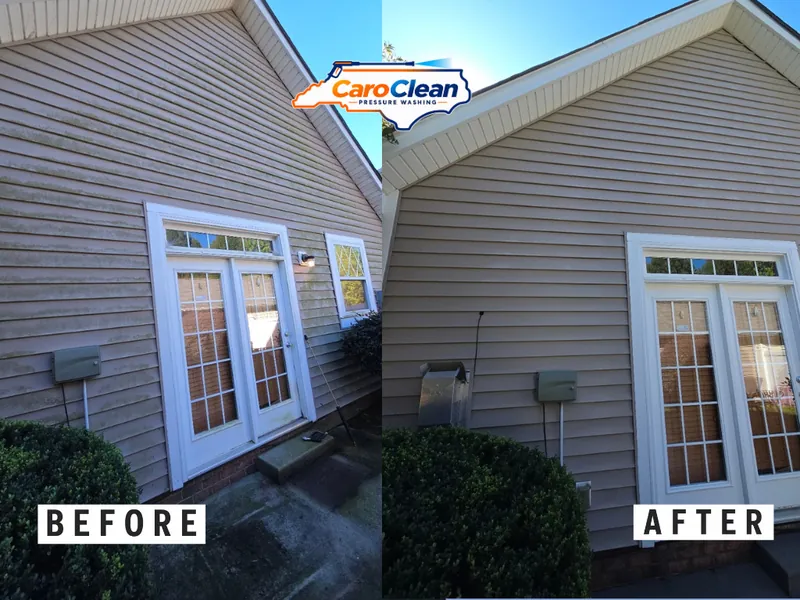
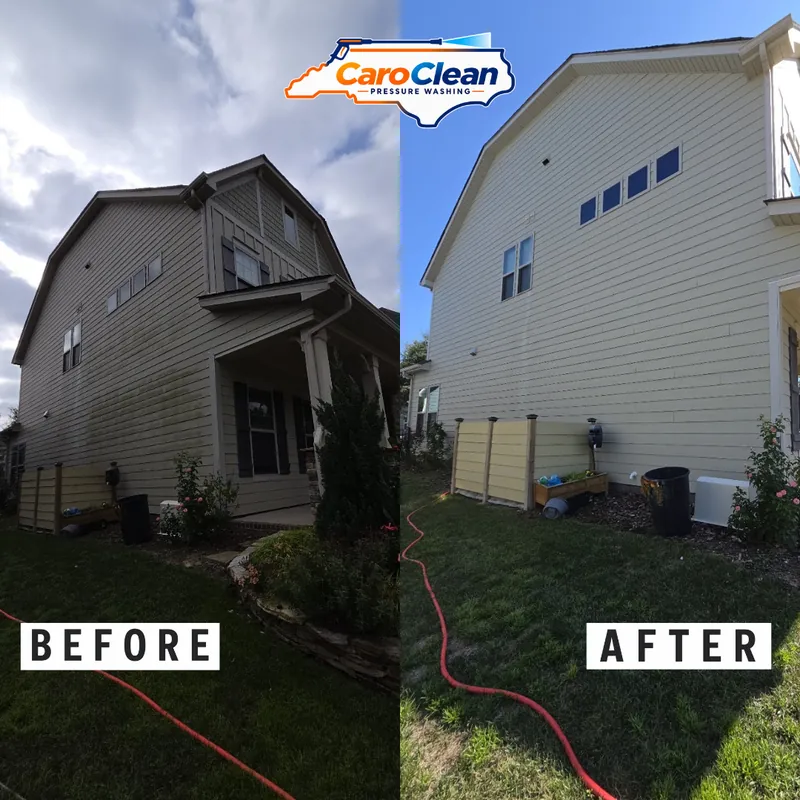
About once a year for most homes around Lake Norman. Homes with heavy shade, homes on the water and homes surrounded by trees often do best with a wash every six months, once in spring and once in fall. The easiest signal is your siding itself: once you can see green, gray or black growth from the driveway, it's time.
The Short Version by Type of Home
- Sunny lot with few trees: about once a year.
- Heavy shade or lots of trees nearby: every 6 to 12 months.
- Lakefront and waterfront homes: often twice a year.
- HOA neighborhoods: at least once a year, to stay ahead of letters.
- Selling your home or hosting a big event: right before the photos or the guests.
These are starting points, not hard rules. Two houses on the same street can need different schedules depending on which way they face, how many trees surround them and how close they sit to the water.
Why Lake Norman Homes Need It More Often
Homes around the lake deal with more than most. Humid air off the water keeps siding damp, long summers give algae a long growing season, and every spring a coat of pine pollen settles on the house and gives growth more to feed on. Add mature trees and red clay splashing up along the bottom of the walls, and a house can go from clean to green faster than people expect.
If you've ever wondered what that green film actually is, we break it down in What Is the Green Stuff Growing on the Side of My House?
Compare that to a home in a drier climate with fewer trees, where a wash every two years might be plenty. Here, a house that skips a year often shows it, especially on the shady side. That's why once a year is the starting point around the lake, not the exception.
Signs Your House Is Due for a Wash
- A green film on the north side or any shaded wall
- Gray or black streaks and spots on siding or trim
- A yellow haze of pollen that rain doesn't rinse away
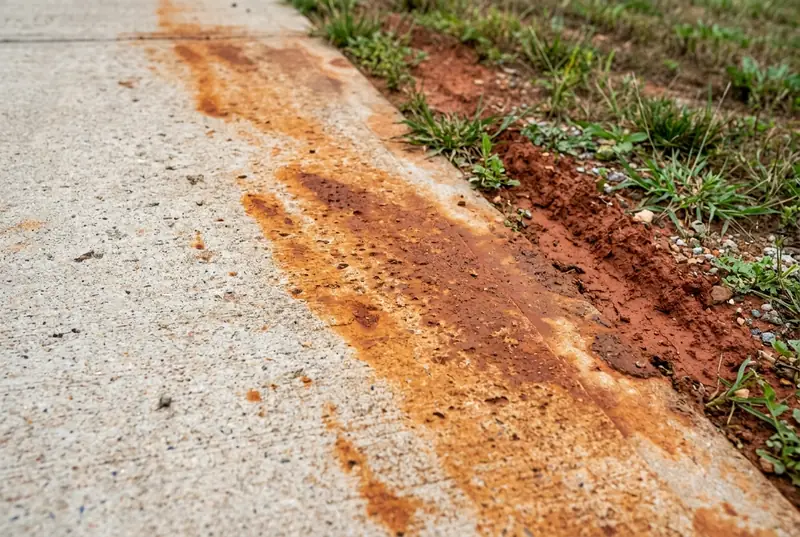
- Dirt and red clay splashed along the bottom of the walls
- Mildew under the eaves, on shutters or around the front door
- Cobwebs collecting in corners, lights and window frames
What Happens If You Wait Too Long
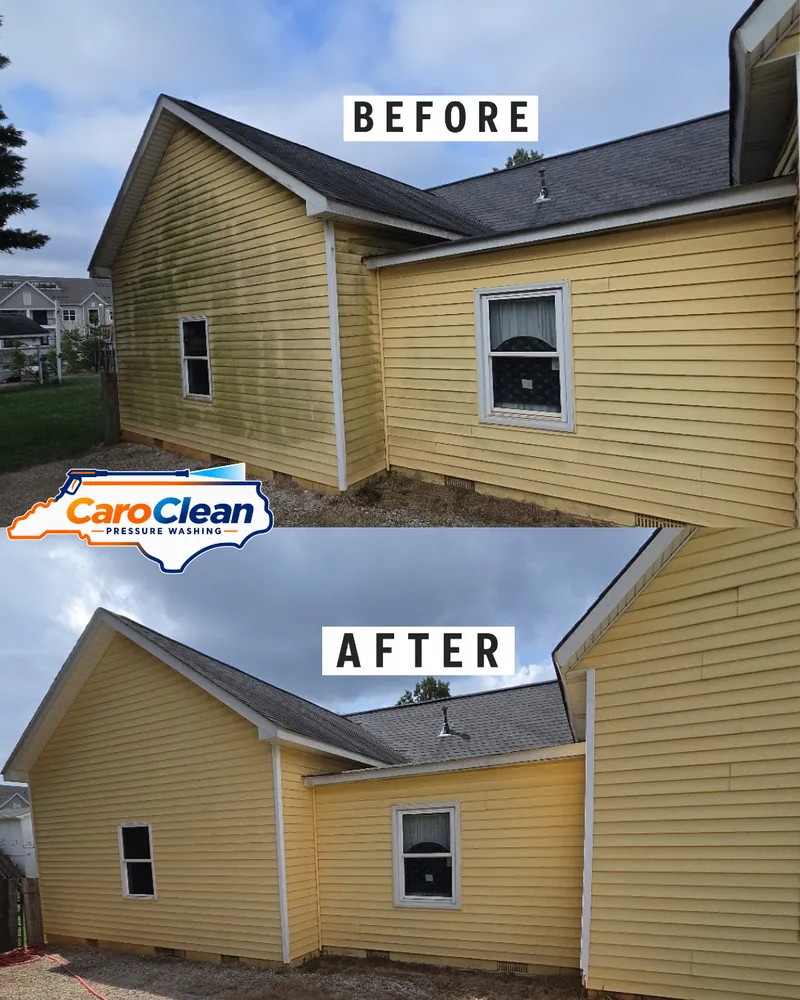
Light growth comes off easily. Growth that's been left for years spreads into seams and trim, holds moisture against the siding and can leave stains behind. It's also the most common reason homeowners get an HOA letter. If that's where you are, read Can My HOA Fine Me for a Dirty House or Driveway?
Does Your Siding Type Change the Schedule?
Vinyl and Hardie Board
These show growth quickly, especially lighter colors. Once a year keeps most of them looking clean.
Brick, Stone and Stucco
The texture hides dirt longer, but shaded walls still grow mildew and moss, usually low on the wall and near the ground. Keep an eye on the shady side.
Cedar and Painted Wood
Don't let growth sit on wood for long. Regular washing helps protect the paint and keeps mildew from settling into the grain.
How Often to Clean the Rest of Your Home
Your siding isn't the only thing on a schedule. Here's what works for most homes around Lake Norman:
| Surface | How Often | Good to Know |
|---|---|---|
| House washing | Once a year | Twice a year for heavy shade or lakefront homes |
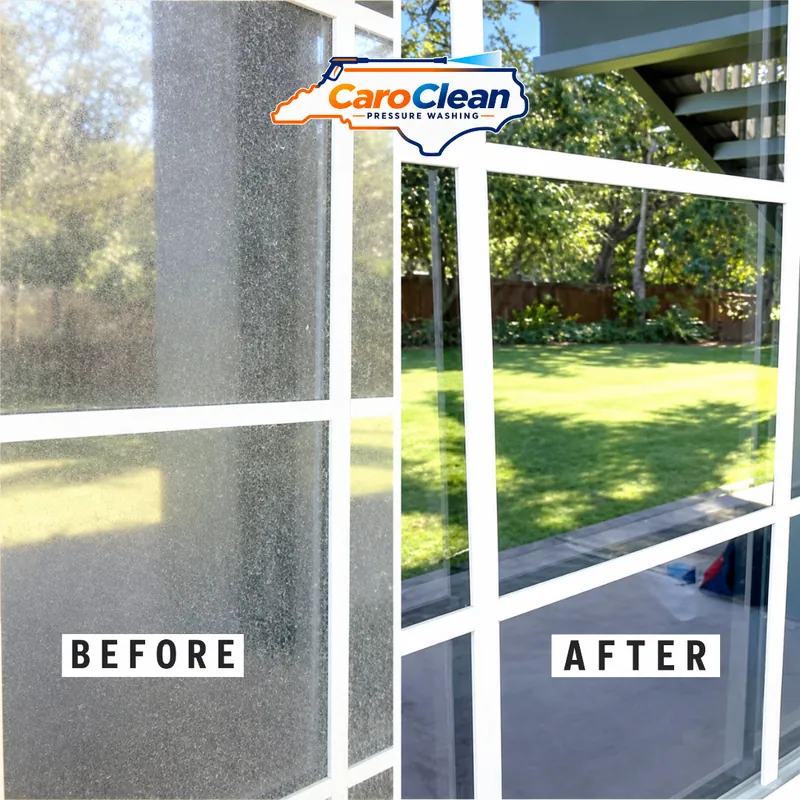
| Windows | Once or twice a year | Best right after spring pollen season |
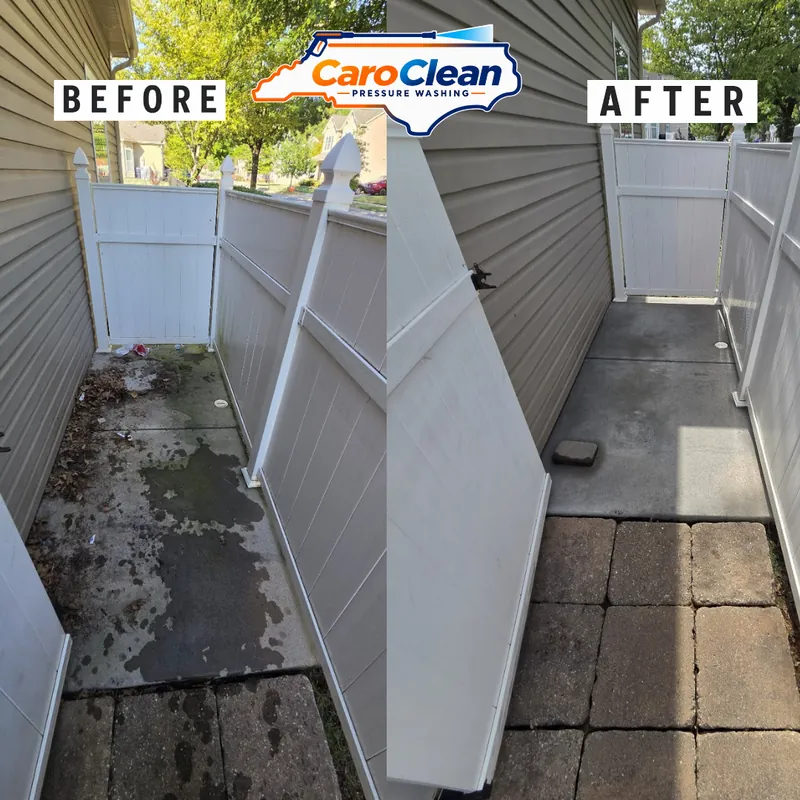
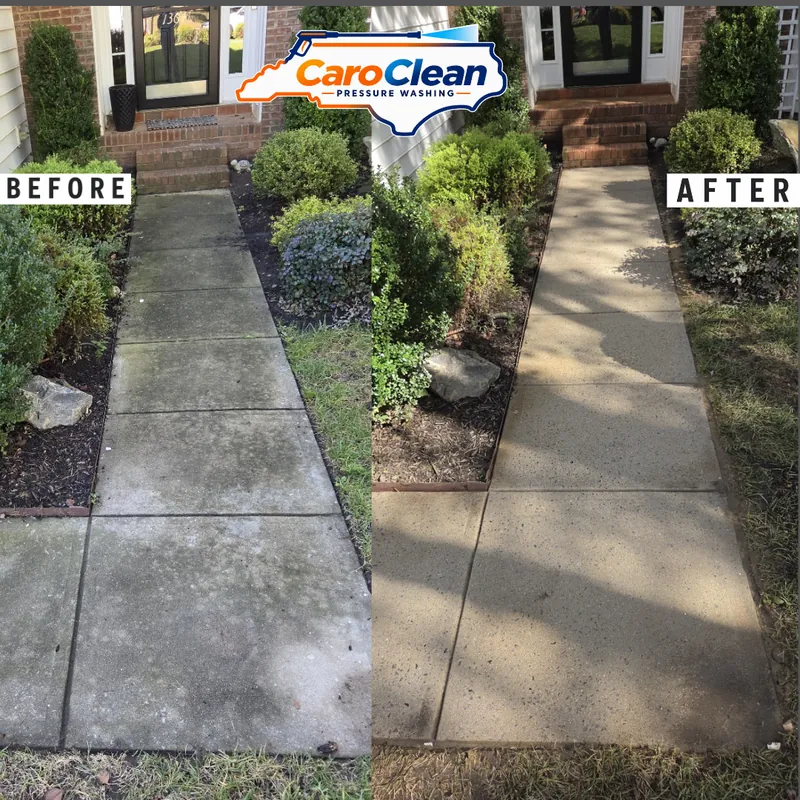
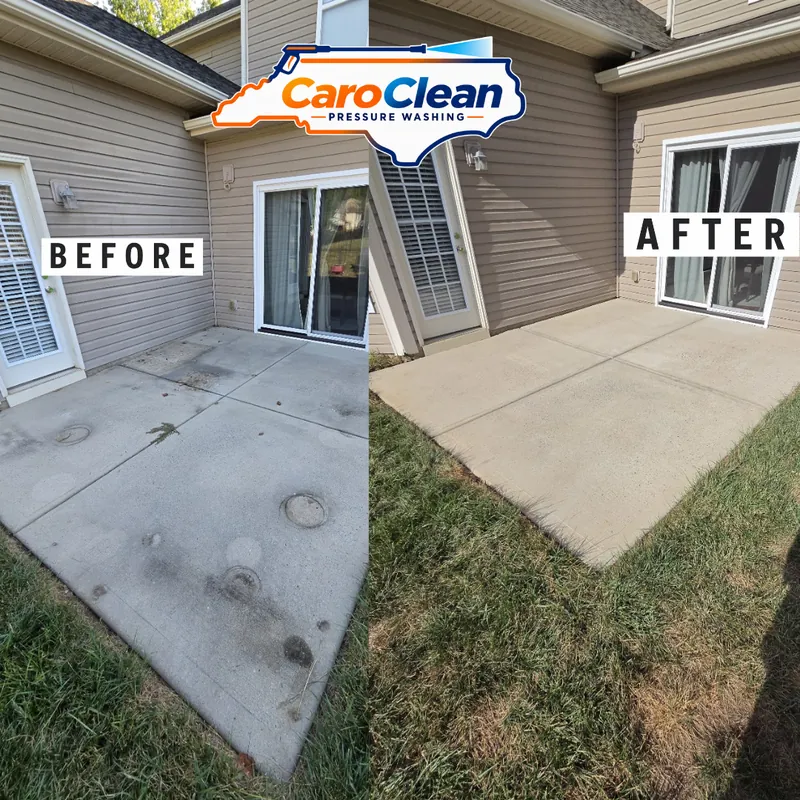
| Driveway and concrete | Once a year | Shaded concrete may need it sooner |
| Deck | Once a year | Spring gets it ready for summer |
| Fence | Once a year | Easy to add to a house wash |
Can Washing Too Often Hurt Your Siding?
Not when it's done right. Damage comes from too much pressure, not from how often a house gets cleaned. A soft wash uses a cleaning solution and gentle, controlled pressure, so washing once or even twice a year is safe for vinyl, Hardie board, brick, stucco, stone and cedar.
If you've been pressure washing your own house every year, that's a different story. Read Can I Pressure Wash My Own House? to see what high pressure can do over time.
When It's Not Just Dirt
Sometimes siding looks faded or chalky even after it's been cleaned. That's usually oxidation, where paint or the surface of the siding has broken down in the sun over the years. A house wash will clean it, but it can't bring back color that's gone. We'll tell you honestly what a wash will and won't do before any work starts.
Spring or Fall for a Second Wash?
If your home needs two washes a year, make the first one in late spring, right after pine pollen season. The second fits best in early fall, after the heat and humidity of summer have had their chance to grow algae on the shady walls. That timing keeps the house looking clean nearly all year, including for holiday guests.
What Staying on Schedule Saves You
- Light growth comes off easily, while years of buildup takes longer and can leave stains.
- Paint and trim last longer when growth isn't sitting on them.
- You stay ahead of HOA letters instead of racing a deadline.
- Your home looks cared for every day, not just after a cleaning.
Get More Out of Every Wash
A clean house makes dirty windows and a dark driveway stand out. Book two or more services in the same visit, like a house wash plus window cleaning or driveway cleaning, and you get a bundle discount. For timing, see What Time of Year Is Best to Pressure Wash a House in North Carolina?
Make It Easy on Yourself
The easiest way to stay on schedule is to pick the same time every year. For most homes, that's late spring, right after pollen season winds down. Put it on the calendar, and you'll stay ahead of algae, HOA letters and that green north wall for good.
Think your house is due? Our house washing service comes with one flat price, a fast, nearly instant quote and our 100% Satisfaction Guaranteed or it's FREE promise.